In full transparency – some of the links on this page are affiliate links, if you use them to make a purchase I will earn a little commission at no additional cost to you. It helps me create valuable content for you and also helps me keep this blog up and running. (Your support will be appreciated!)
Last August, Google released an AI image model with a ridiculous name and it broke the internet. Thirteen million new Gemini users in four days. Two hundred million image edits in weeks. The thing went so viral that “Nano Banana” trended in countries where people had never heard of Gemini.
Then on February 26, 2026 Google dropped the sequel. And quietly, without most people noticing, it changed the rules.
Nano Banana 2 doesn’t just make prettier pictures faster. It thinks. It pulls real-time references from Google Search mid-generation. It reads 92-page PDFs and compresses them into a single whiteboard. It maintains five characters’ faces across twenty scenes without a single identity drift. It renders legible text in multiple languages inside images that look like they were shot by a human photographer.
This isn’t a toy anymore. It’s infrastructure.
I spent the last few days researching how creators, developers, marketers, architects, and ordinary people are actually using this thing not in theory, but in practice, with real results and real workflows. What follows is every interesting use case I found, organized by category, with the exact prompts people are using to get results worth talking about.
Some of these will save you money. Some will save you weeks. A few might change how you think about visual content entirely.
Part I: Commerce and Marketing
1. E-Commerce Product Photography Without the Photoshoot
Here’s the math that makes this interesting. A professional product photographer charges $50–200 per image. A small DTC brand needs maybe 50 lifestyle shots across different settings… living room, kitchen counter, outdoor patio, holiday theme to fill out a product page that converts. That’s $2,500–$10,000 before you’ve sold a single unit.
A ceramics brand tested a different approach. They shot 5 clean studio images of their mugs. Then they fed each one to Nano Banana 2 and generated 10 lifestyle variations per image. Fifty images. Two hours. Zero additional cost. Their conversion rate climbed 24%.
The key is specificity. Vague prompts produce generic results.
Prompt that works:
Show this ceramic mug on a weathered oak coffee table in a Scandinavian-style living room. Warm morning light spilling through linen curtains, shallow depth of field, lifestyle photography, 85mm lens, f/1.8.
You’re not asking for “a nice background.” You’re directing a photoshoot. The model responds to camera language, lens, aperture, lighting direction, material specificity… the same way a photographer responds to a creative brief.
Prompt for seasonal variation:
Place this product in a cozy holiday setting — a fireplace mantle with pine garlands, soft amber candlelight, light snow visible through a frosted window. Warm, inviting atmosphere. Commercial product photography, Canon EOS R5, 50mm f/1.4.
2. Ad Creative That Iterates in Minutes, Not Days
Digital advertisers live and die by A/B testing. The bottleneck is never the media buy, it’s the creative. Getting 15 variations of a hero image with different headlines, backgrounds, and compositions used to take a designer 2–3 days. Nano Banana 2 does it in an afternoon.
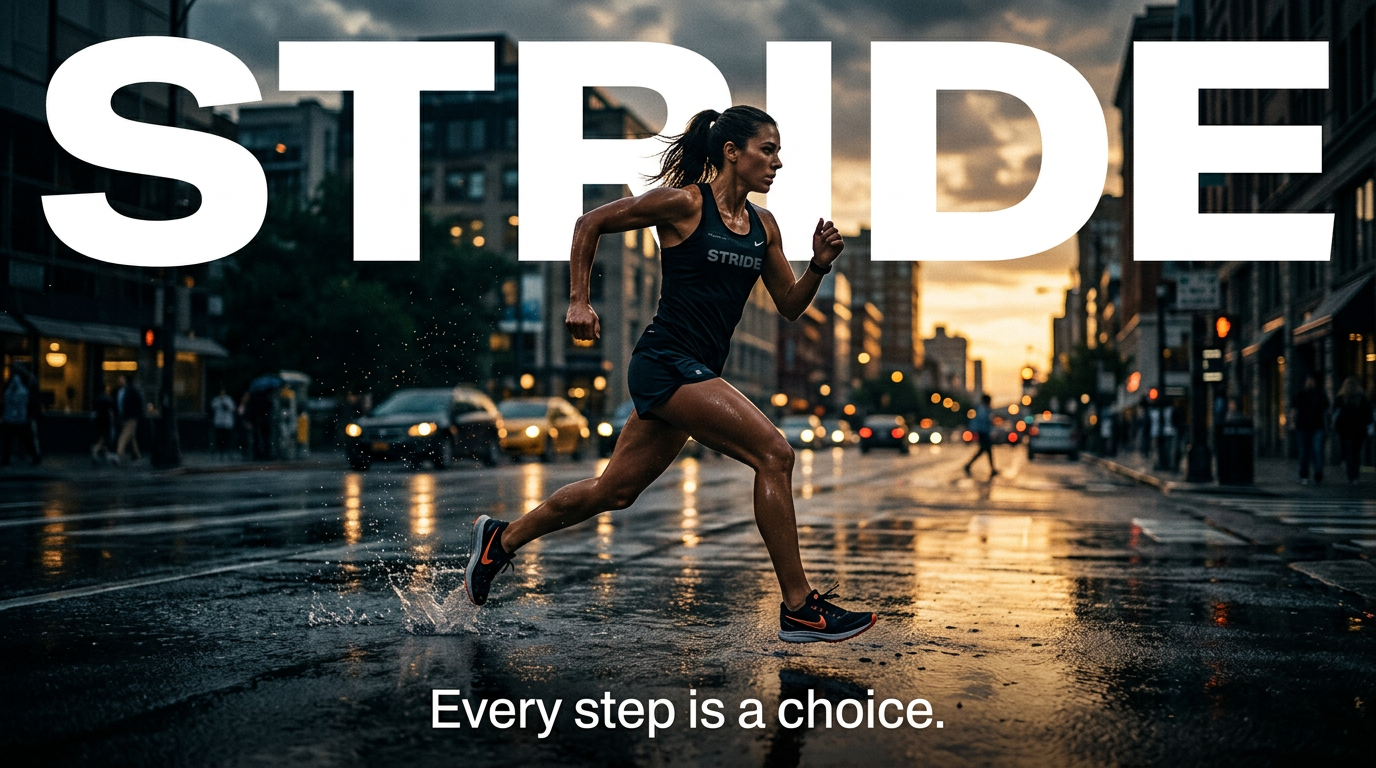
The text rendering is the real breakthrough here. For years, AI image models produced gibberish whenever you asked for words inside an image. Storefronts with nonsense signs. Product packaging with scrambled letters. Nano Banana 2 renders headlines, taglines, and even full paragraphs with crisp legibility in multiple languages.
Prompt for ad creative:
A bold, editorial-style banner ad for a fitness brand called “STRIDE.” The word STRIDE appears in large, condensed white sans-serif across the top. Below: a female runner mid-stride on a rain-slicked city street at golden hour, shot from a low angle. Tagline at bottom: “Every step is a choice.” Dark cinematic mood, 16:9 aspect ratio, 4K resolution.
Prompt for A/B variation:
Same composition, but change the background to a mountain trail at sunrise. Update tagline to “The summit starts here.” Keep all other elements identical.
The subject consistency feature ensures your brand ambassador looks identical across every variation. No more uncanny-valley face shifts between ads.
Bonus:
3. Global Ad Localization – From One Shoot to Five Markets
An international fashion retailer was spending tens of thousands adapting a US campaign for Asian, European, and Middle Eastern markets. Separate photoshoots. Separate models. Separate location scouting. Separate everything.
With Nano Banana 2, they uploaded the original US campaign images and generated localized versions – changing backgrounds, architectural elements, and cultural context while keeping the core products identical. One photoshoot became five markets. Localization costs dropped 80%.
Google built a demo app for this exact workflow… A “Global Ad Localizer” that takes an advertisement and translates its text into different languages while preserving the original visual design, lighting, and composition.
Prompt for localization:
Take this advertisement image and adapt it for the Japanese market. Replace the New York apartment background with a contemporary Tokyo apartment featuring clean minimalist design and natural wood accents. Translate all English text in the image to Japanese. Keep the product, lighting, and overall composition identical.
Prompt for in-image translation:
Translate the text on this sign-up page mockup into Italian. Keep everything else exactly the same — preserve the original style, lighting, textures, and layout.
4. Social Media Content at Scale
A fitness influencer described her old workflow: one workout photo, 45 minutes of editing, one post. Her new workflow: one workout photo, 12 minutes with Nano Banana 2, thirty posts.
She generates background variations (gym to beach to mountains), adjusts lighting (dramatic, soft, minimalist), adds text overlays for different motivational messages, and optimizes for each platform’s native aspect ratio – all while her face, body, and outfit remain perfectly consistent.
Prompt for content variation:
Place this person in an outdoor rooftop gym at sunset, with a city skyline in the background. Dramatic golden-hour backlighting. Maintain the exact appearance, outfit, and pose of the person. Fitness lifestyle photography, vibrant colors, 4:5 aspect ratio for Instagram.
Prompt for platform optimization:
Create a 9:16 vertical version of this image optimized for Instagram Stories. Add subtle lens flare and increase the warmth of the color grading. Keep the subject identical.
Part II: Design and Creative Production
5. Rough Sketches to Polished Visuals
This is where Nano Banana 2 starts replacing steps in a professional design pipeline. Feed it a napkin sketch of a car, a chair, a logo, a mobile app wireframe and it returns a polished, production-ready visual that respects the creative intent of your original.
Architects on the DeepMind showcase page demonstrated this with a prompt that converts a rough sketch into a realistic object while pulling color and texture from a separate reference image.
Prompt for sketch-to-reality:
Transform this simple pencil sketch into a realistic, high-fidelity product render. Follow the proportions and creative direction of the sketch exactly. Use warm studio lighting, soft shadows, and a clean white background. Professional product photography style.
Prompt for wireframe-to-UI:
Transform this rough wireframe sketch into a high-fidelity UI mockup for a mobile app. Apply a modern, clean aesthetic similar to iOS 18 – rounded corners, soft drop shadows, vibrant primary color. Realistic device frame, clean typography, proper spacing.
Prompt for logo refinement:
Turn this rough hand-drawn logo sketch into a smooth, professional vector-style logo. Don’t follow the sketch exactly — get inspired by it. Use a groovy, retro typographic style with soft, rounded letterforms. Two-tone color scheme: deep navy on a light cream background.
6. Posters, Cinematic Backgrounds, and YouTube Thumbnails
The difference between a good prompt and a great one here is treating the model like a cinematographer, not a search engine. Don’t say “cool futuristic city.” Say what lens, what time of night, what city’s visual language.
Prompt for cinematic scene:
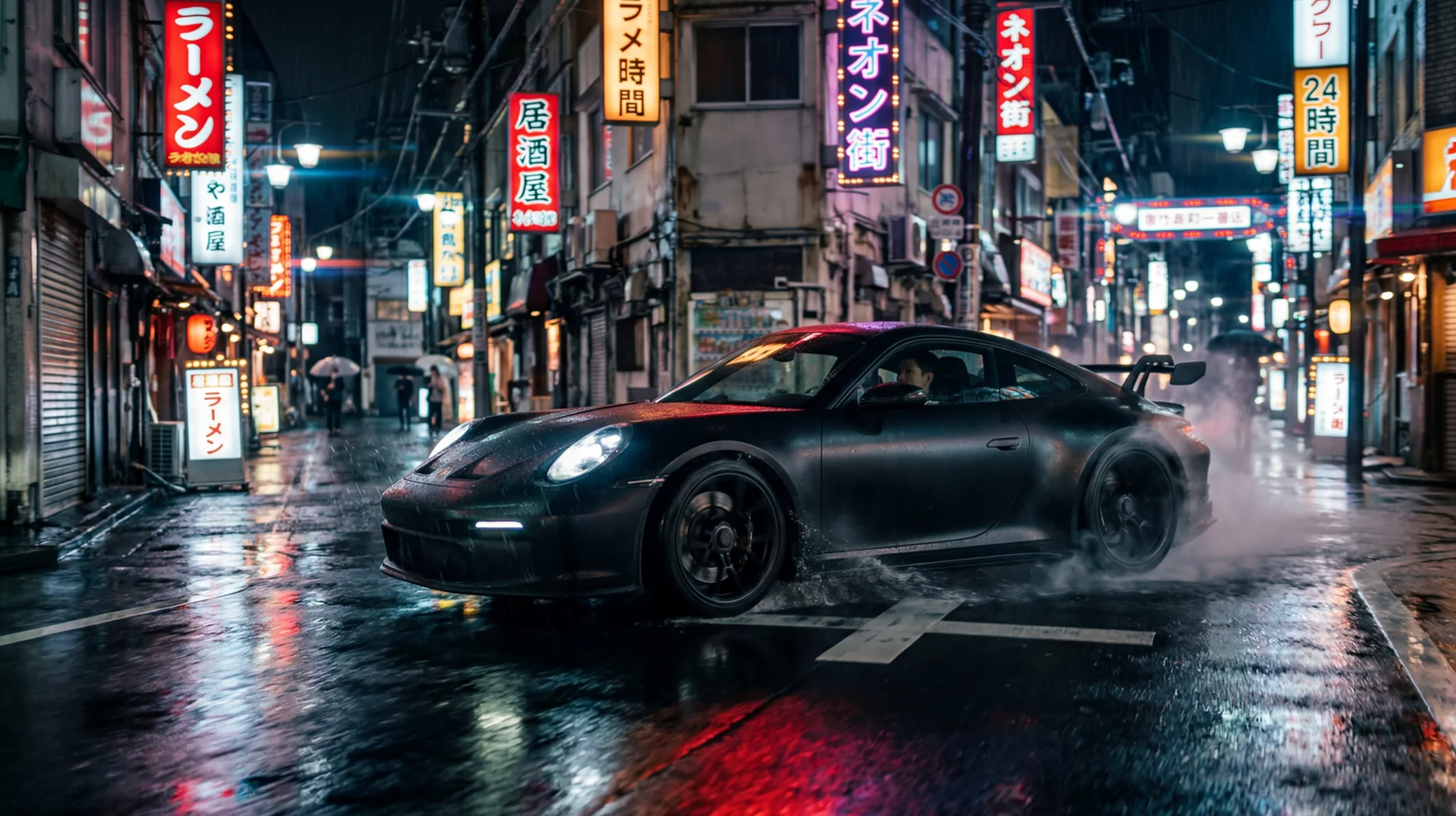
A cinematic wide shot of a matte-black Porsche 911 drifting through rain-slicked Tokyo backstreets at 2 AM. Neon kanji signs bleed reflections across the wet asphalt. Shot on anamorphic 40mm lens, f/2.0, with natural motion blur on the wheels. Shallow depth of field. Film grain. 16:9.
Prompt for YouTube thumbnail:
A dramatic, eye-catching YouTube thumbnail. A person with a shocked expression looking at a glowing holographic screen. Bold, readable text overlay: “THIS CHANGES EVERYTHING.” High contrast, vivid saturated colors, slight vignette. 16:9, high energy, designed to maximize click-through.
Prompt for event poster:
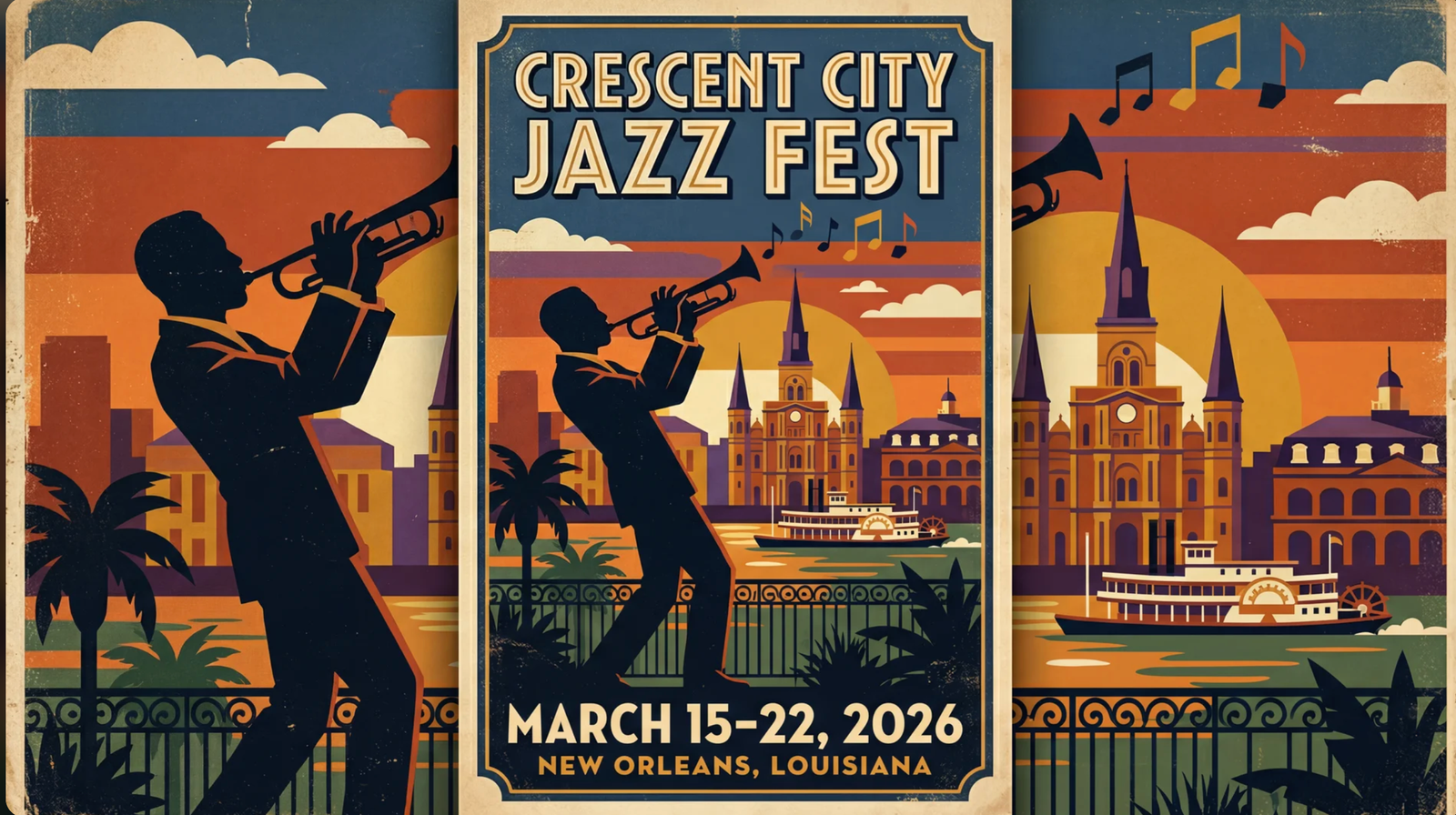
A vintage travel poster-style design for a jazz festival in New Orleans. WPA National Park poster aesthetic — flat broad colors, bold geometric shapes, screen-printed texture. Title “CRESCENT CITY JAZZ FEST” in bold Art Deco lettering at top. Silhouette of a trumpet player against a sunset skyline. Date “March 15–22, 2026” at bottom.
7. Magazine Covers, Book Covers, and Print Collateral
One creator tested Nano Banana 2’s text rendering by prompting it to generate Indonesian magazine covers… specifically to see if it would misspell non-English text. It didn’t. The model produces editorial-quality layouts with proper typographic hierarchy, and it handles multilingual content without breaking a sweat.
Prompt for book cover:
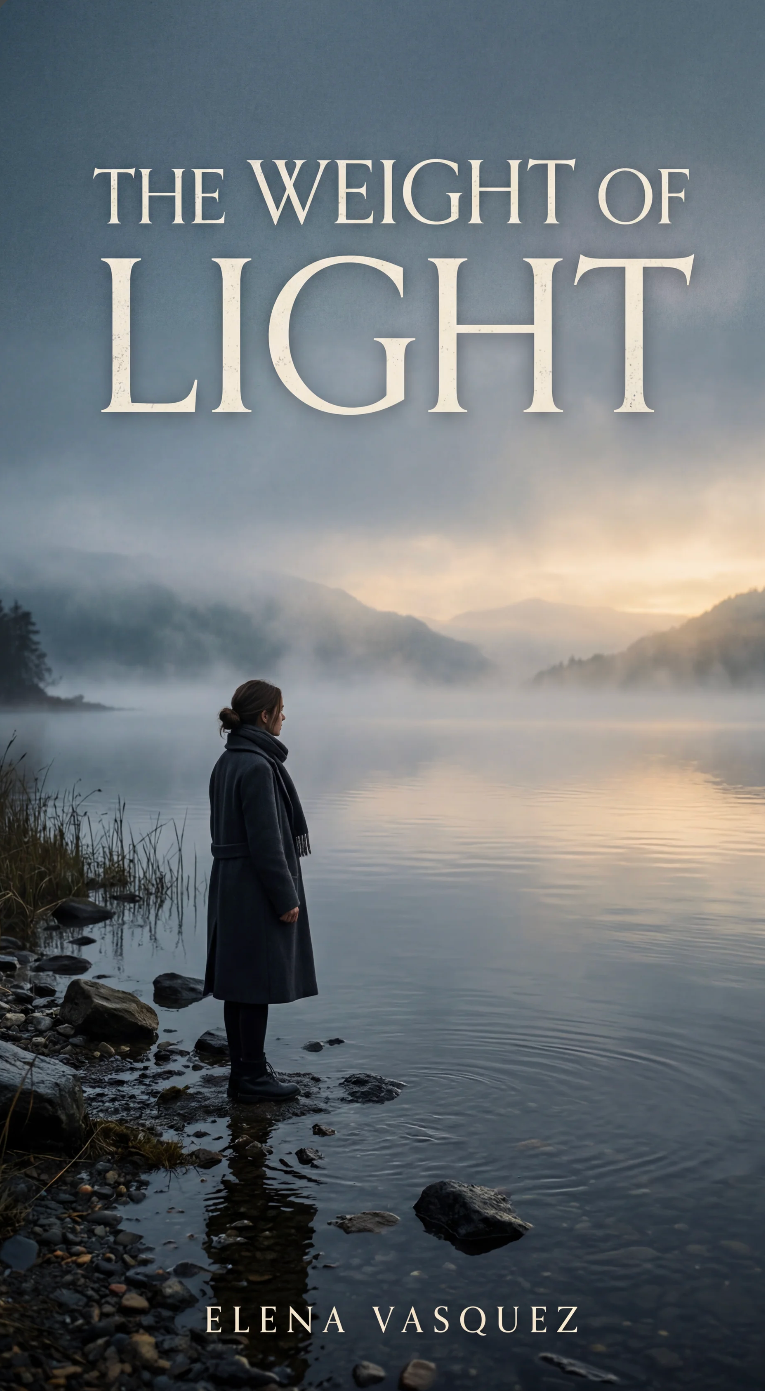
A literary fiction book cover. Title “THE WEIGHT OF LIGHT” in elegant serif typography across the upper third. A solitary figure standing at the edge of a vast, misty lake at dawn. Muted color palette — slate blues, soft gold, dove gray. Atmospheric, contemplative. Author name “Elena Vasquez” in small caps at bottom. 2:3 aspect ratio.
8. Fashion Lookbooks and Mood Boards
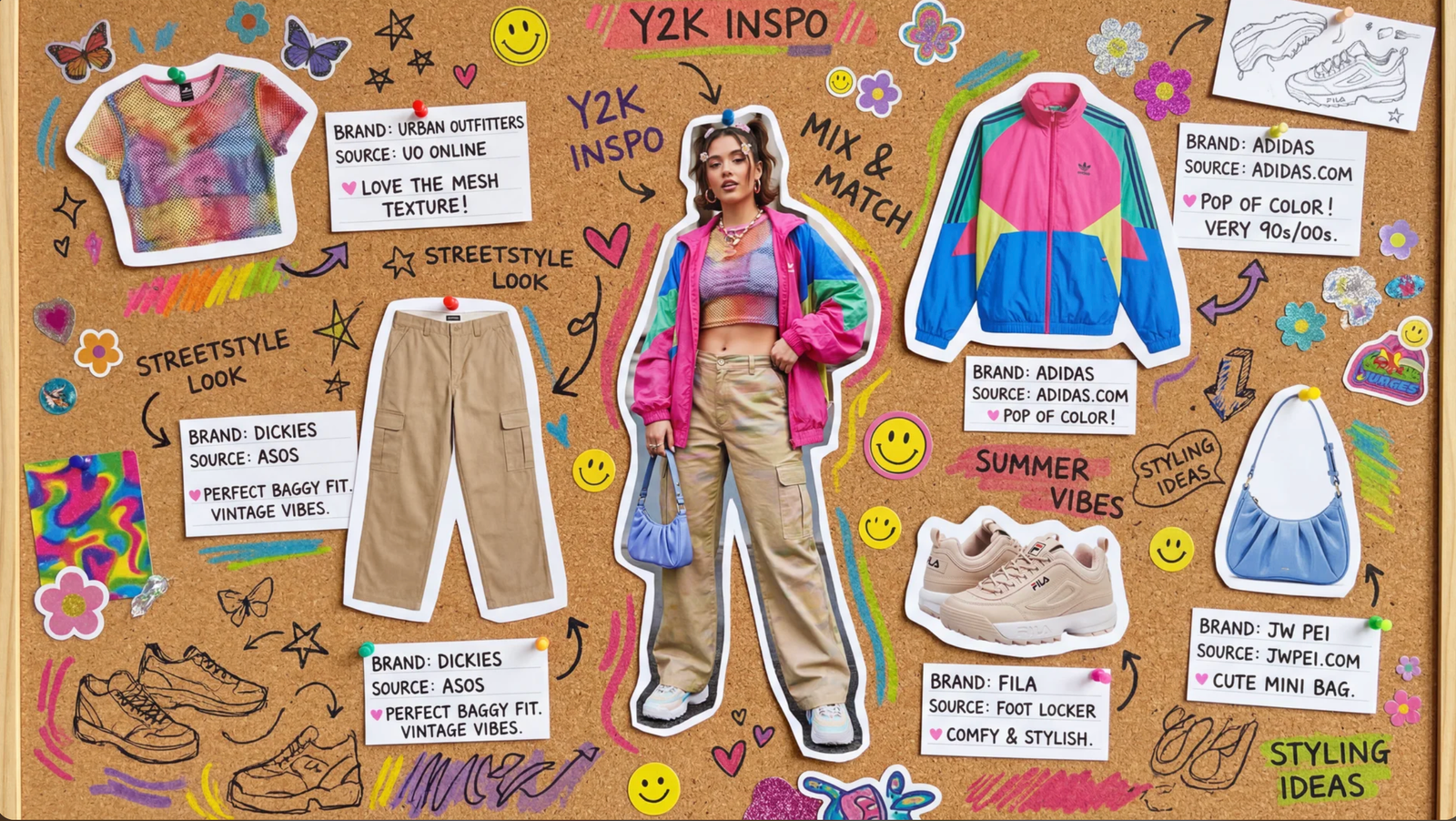
Stylists and fashion brands have latched onto a specific prompt structure that produces those “magazine mood board collage” layouts – cutouts of individual clothing items arranged around a portrait, with handwritten annotations and brand names. It mimics exactly the kind of presentation a professional stylist would build for a client, except it takes 30 seconds.
Prompt for fashion mood board:
A fashion mood board collage. Surround a portrait with cutouts of the individual items the model is wearing. Add handwritten notes and sketches in a playful, marker-style font. Include the brand name and source of each item in English. Overall aesthetic should be creative, editorial, and personal — like a stylist’s working board. Y2K scrapbook vibes, colorful strokes and stickers.
9. Turning Maps into Cinematic Worlds
Kris Kashtanova discovered what might be the most unexpectedly delightful use case: screenshot a Google Map, feed it to Nano Banana 2, and ask for a panoramic view of that location in anime or cartoon style. The model combines its geographic knowledge with stylistic generation to produce something that feels like a Studio Ghibli establishing shot from a flat map.
Prompt:
Make me a panorama of this location in an anime style. Wide cinematic composition, rich atmospheric lighting, detailed background art inspired by Studio Ghibli – lush vegetation, dramatic clouds, warm golden-hour glow. 16:9.
The applications extend beyond novelty. Tourism companies could offer anime-style virtual tours of destinations. Game studios could convert real-world locations into consistent art assets for previsualization. Real estate firms could generate stylized neighborhood views.
10. Replacing Photoshop for Quick Design Tasks
Architects are saying it directly: Nano Banana 2 “completely changes how architects and interior designers approach render editing.” Instead of jumping between SketchUp, Revit, and Photoshop to swap materials, add furniture, or change lighting, they describe edits in plain English.
Prompt for object removal:
Remove the red sunbeds from the terrace. Keep everything else exactly as it is — preserve the lighting, shadows, and overall scene.
Prompt for material swap:
Change the exterior cladding on this building to weathered cedar wood. Maintain the same architectural proportions, window placement, and lighting conditions. Photorealistic rendering.
Prompt for style transfer:
Change this image to a sleek, minimalist futurism style. Replace all organic textures with smooth white polymer and chrome. Use cool, sterile laboratory-white lighting. The composition and position of all objects must remain exactly the same as the original.
Part III: Storytelling and Character Work
11. Multi-Character Storyboarding with Identity Lock
Before Nano Banana 2, maintaining a consistent character across AI-generated images was like trying to hold water in your hands. Every new generation drifted slightly different face, slightly different clothing, slightly different proportions. Useless for sequential storytelling.
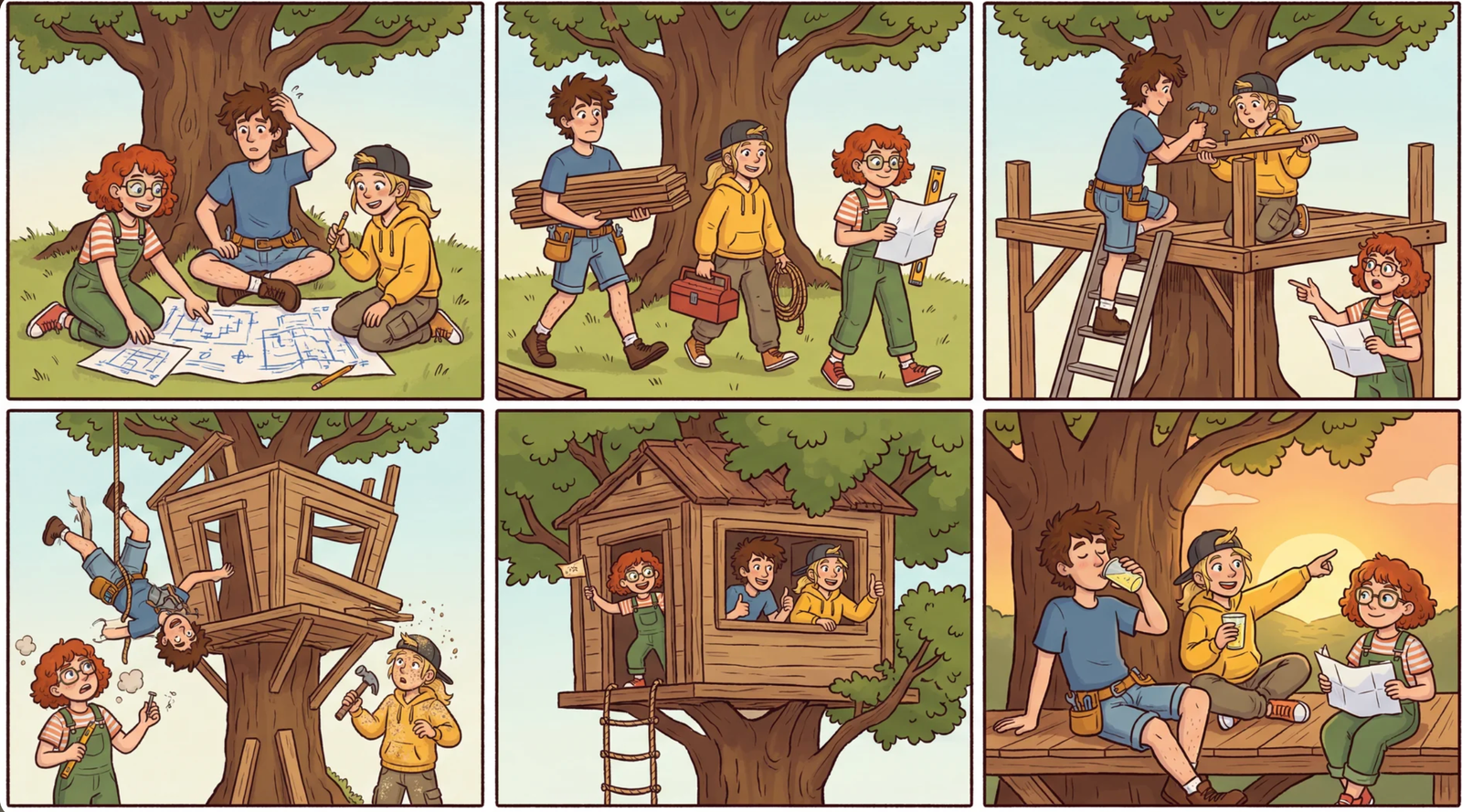
Nano Banana 2 maintains recognizable identity for up to 5 characters and 14 objects in a single workflow. Creators are producing full comic sequences, children’s book illustrations, and brand mascot narratives where characters are locked in across every frame.
The trick is explicit instruction. The phrase “strictly important to keep identity consistent” is doing real work — it signals a hard requirement, not a suggestion.
Prompt for multi-part story:
Create a funny 6-part visual story with these 3 characters building a tree house. Each panel should show a different moment in the process — planning, building, a comedic mishap, and the triumphant finish. It is strictly important to keep identity consistent across all 6 frames — same facial features, same clothing, same proportions. Warm, playful illustration style.
Prompt for character consistency test:
Create an image of these 14 characters and items having fun at the farm. The overall atmosphere is fun, silly, and joyful. It is strictly important to keep identity consistent of all 14 characters and items.
12. Selfie Transformations — Figurines, Characters, and Tattoo Mockups
The consumer-facing magic. Upload a selfie. Become a Pixar character. A Renaissance painting. An anime hero. A Bandai-style collectible figurine in a display box. The model preserves your distinctive features while applying radical style transformations and the results are often genuinely uncanny.
Prompt for 3D figurine:
Create a highly detailed collectible action figure of this person, displayed in premium retail packaging. Bandai/Gunpla style box with technical illustrations and instruction manual details. The figurine should capture the person’s exact likeness — facial features, hairstyle, and body proportions. Include 2-3 miniature accessories. Photorealistic product render.
Prompt for tattoo mockup:
Place this tattoo design on the person’s upper arm as if it were a real, healed tattoo. Maintain natural skin texture, lighting, and shading. The tattoo should follow the contour of the arm realistically. No distortion of the original design.
Prompt for children’s book illustration:
Transform this photo of the child into a whimsical children’s book illustration watercolor style, soft pastel colors, gentle brushstrokes. The child should be recognizable but stylized, standing in an enchanted forest with friendly woodland animals. Storybook warmth, picture book quality.
Part IV: Data, Knowledge, and Education
13. Infographics That Actually Understand the Topic
Most AI models produce infographics that look like infographics… shapes, arrows, icons, but contain nonsense. Nano Banana 2 is different because it draws from Gemini’s world knowledge. It doesn’t just arrange visual elements; it understands the underlying concepts and produces factually grounded layouts.
Deedy Das fed it an entire Nvidia Q3 earnings PDF and it generated a single, comprehensive infographic. He called it “the world’s best compression engine.” Pietro Schirano fed it long research articles and got detailed whiteboard photos… calling it “the greatest compression algorithm in human history.”
Prompt for document-to-whiteboard:
Summarize the core insights of this document into a visual whiteboard diagram. Use a realistic whiteboard surface with red, blue, and black dry-erase markers. Include hand-drawn arrows, circled key terms, simple diagrams, and underlined headings. Messy but legible handwriting. The diagram should capture the main arguments, their relationships, and the key conclusions. One single frame.
Prompt for topic explainer:
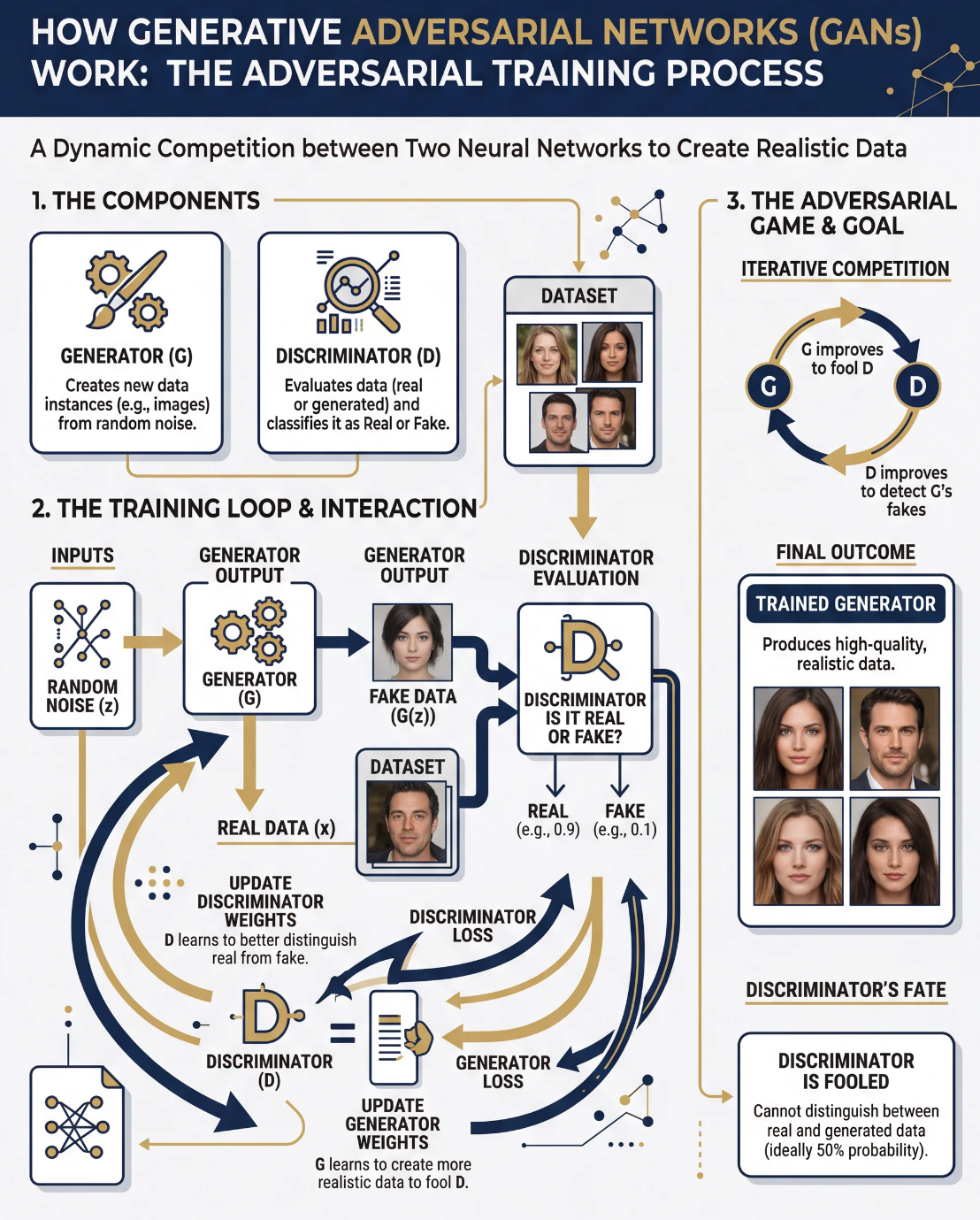
Create a clean, editorial-style infographic explaining how generative adversarial networks (GANs) work. Focus on how the generator and discriminator interact during training. Use labeled diagrams, minimal icons, and a narrative flow from left to right. Professional color palette… navy, white, and gold accents. All text must be legible and correctly spelled.
Prompt for data visualization:
Generate a professional financial Sankey diagram visualizing the income statement of a major tech corporation. High-fidelity vector infographic style, clean minimalist aesthetic, flat design. Flows should show revenue sources, cost breakdowns, and net income. All labels legible, all numbers plausible.
14. Homework Completion and Educational Visuals
This one is ethically thorny but technically remarkable. You can upload a page of homework, and Nano Banana 2 will fill in the answers in matching handwriting, with work shown, in pencil style. The Replicate blog highlighted this: “you can feed Nano Banana your homework and get correct answers with work shown.”
The legitimate educational applications are more interesting. Teachers are creating visual explainers whiteboard-style diagrams of the water cycle, the digestive system, marketing funnels, historical timelines with accurate labels, arrows, and icons.
Prompt for educational whiteboard:
Create a whiteboard illustration explaining the water cycle. Include labeled arrows showing evaporation, condensation, precipitation, and collection. Use clean, readable text, simple icons for clouds, mountains, and ocean. Professional but approachable — suitable for a high school science classroom. White background, marker-style drawings.
Prompt for math visualization:
Draw a 3D human heart model for an academic presentation, with detailed anatomical annotations and explanations. Suitable for showcasing how each chamber functions. Highly detailed, realistic rendering with clear labels and connecting lines.
15. Real-World Rendering with Search-Grounded Accuracy
No other image model does this. Nano Banana 2 can query Google Search during generation to retrieve actual reference imagery of real places, landmarks, and objects, then use those references to produce visually accurate results.
Ask it to render the Sagrada Familia at golden hour, and it doesn’t rely on fuzzy training data. It pulls real photos and generates with reference-level accuracy.
Google built a demo called “Window Seat” that creates photorealistic airplane window views of world locations, incorporating live weather data. The model generated, for example, a view over the Swiss Alps with accurate cloud cover matching the actual weather at the time.
Prompt using search grounding:
Use image search to find accurate images of a resplendent quetzal bird. Create a beautiful 3:2 wallpaper of this bird in its natural habitat, with a soft top-to-bottom gradient and minimal composition. Photorealistic, vibrant plumage, natural lighting.
Prompt for location rendering:
Use search to find what the Amalfi Coast looks like in early morning. Generate a photorealistic view from a cliffside terrace Mediterranean Sea stretching to the horizon, pastel-colored buildings cascading down the hillside, warm dawn light. Shot on medium format, 50mm equivalent, natural colors.
Part V: Photo Restoration and Enhancement
16. Restoring Damaged Historical Photos
This is where Nano Banana 2 does something quietly extraordinary. Upload a scratched, faded, water-damaged photograph from 1920, and the model analyzes the damage patterns like scratches, tears, stains, crumbling edges and reconstructs what’s missing with period-appropriate detail.
A genealogy enthusiast restored over 200 family photos spanning the 1920s through the 1960s. Professional restoration for that archive would have cost $10,000–$30,000. They did it in 40 hours with Nano Banana.
The model’s “world knowledge” is critical here. It doesn’t just fill in missing pixels randomly, it understands what clothing, architecture, hairstyles, and environments looked like in specific eras, making repairs that feel historically coherent.
Prompt for damage repair:
Restore this old photograph to its original quality. Remove all scratches, tears, stains, and creases. Reconstruct any missing or damaged areas naturally, matching the style and era of the original photo. Enhance clarity and sharpness while preserving the authentic character. Do not colorize – keep the original black-and-white tone.
Prompt for full restoration:
Restore this old photo and make it look brand new. Remove scratches, fading, and noise. Reconstruct missing or damaged details naturally. Sharpen to modern high-resolution quality. Balance lighting and contrast for a clean, crisp look. Preserve the identity and expression of every person in the photo.
17. Colorizing Black-and-White Photos with Period Accuracy
The colorization isn’t random. Nano Banana 2 uses contextual understanding like era, clothing conventions, environmental cues, cultural context to apply colors that feel historically plausible. You can guide it further with descriptions, and it will integrate your knowledge with its own.
Prompt for smart colorization:
Colorize this black-and-white photograph from the 1940s. Apply natural, realistic colors appropriate to the era. The woman is wearing a navy blue dress with white lace collar. The garden behind her has red roses and green hedges. Skin tones should be warm and natural. Maintain the original lighting and atmosphere while adding vivid, believable color.
Prompt for modern enhancement:
Restore and colorize this old photo. High-quality output as if captured with a modern DSLR camera. Fix colors to look contemporary. Correct any focus issues. It should look like a photograph taken in 2025 – sharp, vibrant, naturally lit. Colorize accurately based on the context of the image.
18. Unblurring, Sharpening, and Bringing Faces Back
The enhancement pipeline goes beyond surface-level sharpening. Nano Banana 2 pays special attention to facial details — eyes become clear, hair textures become distinct, and fabric patterns emerge from blur that made them invisible. The Evoke AI team describes it as the point where “eyes become clear, and hair becomes crisp, resulting in a high-definition photo that’s sharper than ever before.”
Prompt for face enhancement:
Enhance this blurry portrait photo. Sharpen facial features — bring clarity to the eyes, eyebrows, lips, and skin texture. Improve overall resolution and detail. Preserve the natural expression and likeness of the person. Output should look like a professional high-resolution portrait.
19. Animating Restored Photos
The restoration workflow doesn’t end at a still image. Platforms like Evoke AI have connected Nano Banana’s engine to motion portrait technology. The pipeline: upload a faded 1950s photo → repair damage → colorize → sharpen → animate. The final output is a living, breathing, subtly moving portrait of someone who may have passed away decades ago.
Families are using this for memorial videos. Museums are using it for interactive exhibits. Genealogists are embedding animated ancestor portraits into family history presentations.
The animation itself is handled by downstream tools but the quality of Nano Banana 2’s restoration is what makes the animation look convincing rather than eerie.
Part VI: Architecture, Product Design, and 3D
20. Home Redesigns and Interior Visualization
Instead of hiring an interior designer for initial concept exploration, homeowners are uploading a photo of their current room and describing desired changes in plain English. The model handles furniture addition, material swaps, lighting changes, and complete style transformations.
Prompt for room redesign:
Redesign this living room in a mid-century modern style on a moderate budget. Replace the current sofa with a low-profile walnut-frame couch with olive green upholstery. Add a Sputnik chandelier. Swap the carpet for a geometric rug in mustard and cream. Keep the existing window layout and natural light. Photorealistic interior photography, wide angle.
Prompt for 3D floor plan visualization:
Convert this residential floor plan into an isometric, photo-realistic 3D rendering of the house. Show accurate architectural structure, proportions, materials, and design details as they would appear in real life. Warm natural lighting, slight aerial perspective.
21. 3D Model Generation from Images and Sketches
Architects are generating 3D building models from single photographs with processing times around 13 seconds. Product designers are converting text descriptions into digital prototypes. And the figurine community has built entire pipelines from Nano Banana 2D output to meshy.ai for 3D conversion to STL files for 3D printing.
Prompt for architectural 3D model:
Use the provided architectural photo as reference. Generate a high-fidelity 3D building model in the look of a 3D-printed architecture model. Clean white material, precise geometric detail, on a minimal display base. Show accurate proportions and structural elements.
Prompt for product prototype:
Create a high-quality, realistic 3D render of a modern desk lamp with a wooden base and matte black adjustable arm. The object floats in mid-air, gently tilted. Soft, minimalist dark background. Left half shows full photorealism… accurate materials, textures, reflections. Right half shows a clean wireframe cutaway revealing internal structure. Sharp boundary line between the two halves.
22. Logo Extraction, Recreation, and 3D Rendering
Upload a photo where a logo appears at an angle, partially obscured, or in low resolution. Nano Banana 2 can extract it, clean it, and render it as a 3D object in any material you specify… inflatable, marble, chrome, neon.
Prompt for logo 3D render:
Apply the material from the second image to the logo in the first image. Present the logo as a 3D inflatable object – soft, full, like a plush balloon or inflatable toy. Smooth matte texture with subtle fabric folds and stitching. Soft shadows and lighting to enhance volume. Simple light gray background.
Part VII: Professional and Enterprise Applications
23. Synthetic Training Data for Machine Learning
A computer vision startup generated 5,000 synthetic training images for their product recognition model showing their product in hundreds of real-world scenarios without physically staging a single scene. The base image was multiplied across 100 lighting conditions × 50 backgrounds × 20 angles × 10 contexts.
The cost difference is staggering. What would have required weeks of studio time and thousands of dollars in staging costs was produced programmatically through the API, with perfect product consistency guaranteed across every variation.
Prompt for training data generation:
Place this product on a cluttered office desk, partially surrounded by notebooks, a coffee mug, and a laptop. Natural indoor lighting from a nearby window. Slightly messy, realistic environment. Maintain perfect product detail and proportions. Angle: 30 degrees from above, slightly to the left.
24. Multi-Tool Campaign Pipelines
The most ambitious creators aren’t using Nano Banana 2 in isolation…they’re building pipelines. Mike Scully demonstrated a workflow combining Claude (for generating 10 demo scenarios), Nano Banana 2 (for creating consistent visuals), and Sora 2 (for animating key assets) into complete marketing campaigns.
A SaaS company used this exact pipeline to produce an entire product launch: 15 hero images, character-consistent testimonial visuals, ad variations for testing, and a social media suite. Traditional production cost: $20,000+. Actual cost: one monthly subscription. Timeline: 3 days instead of 2 weeks. Campaign ROI: 4.2x higher than previous efforts.
25. Enterprise Content with Built-In Provenance
For regulated industries, Nano Banana 2 ships with SynthID watermarking and C2PA Content Credentials baked in the cross-industry standard for content authenticity metadata. Since launch, SynthID verification has been used over 20 million times to identify AI-generated content.
This isn’t a feature. It’s a compliance checkbox. Organizations in industries with emerging AI transparency requirements get provenance tracking out of the box… something self-hosted open-weight alternatives like Qwen-Image-2.0 can’t natively provide.
26. Demonstrating AI Skills in Job Applications
As AI literacy becomes a valued professional competency, the ability to produce high-quality visual content through effective prompting is emerging as a genuine skill. Designers build portfolio pieces using AI-assisted workflows. Marketers create sample campaigns. Developers demonstrate product visualization capabilities.
The barrier to entry is almost nonexistent. Nano Banana 2 is free in Gemini, zero credits in Flow…making it an ideal platform for anyone building an AI-native portfolio.
Part VIII: Personal and Everyday Use
27. Custom Greeting Cards and Invitations
Prompt:
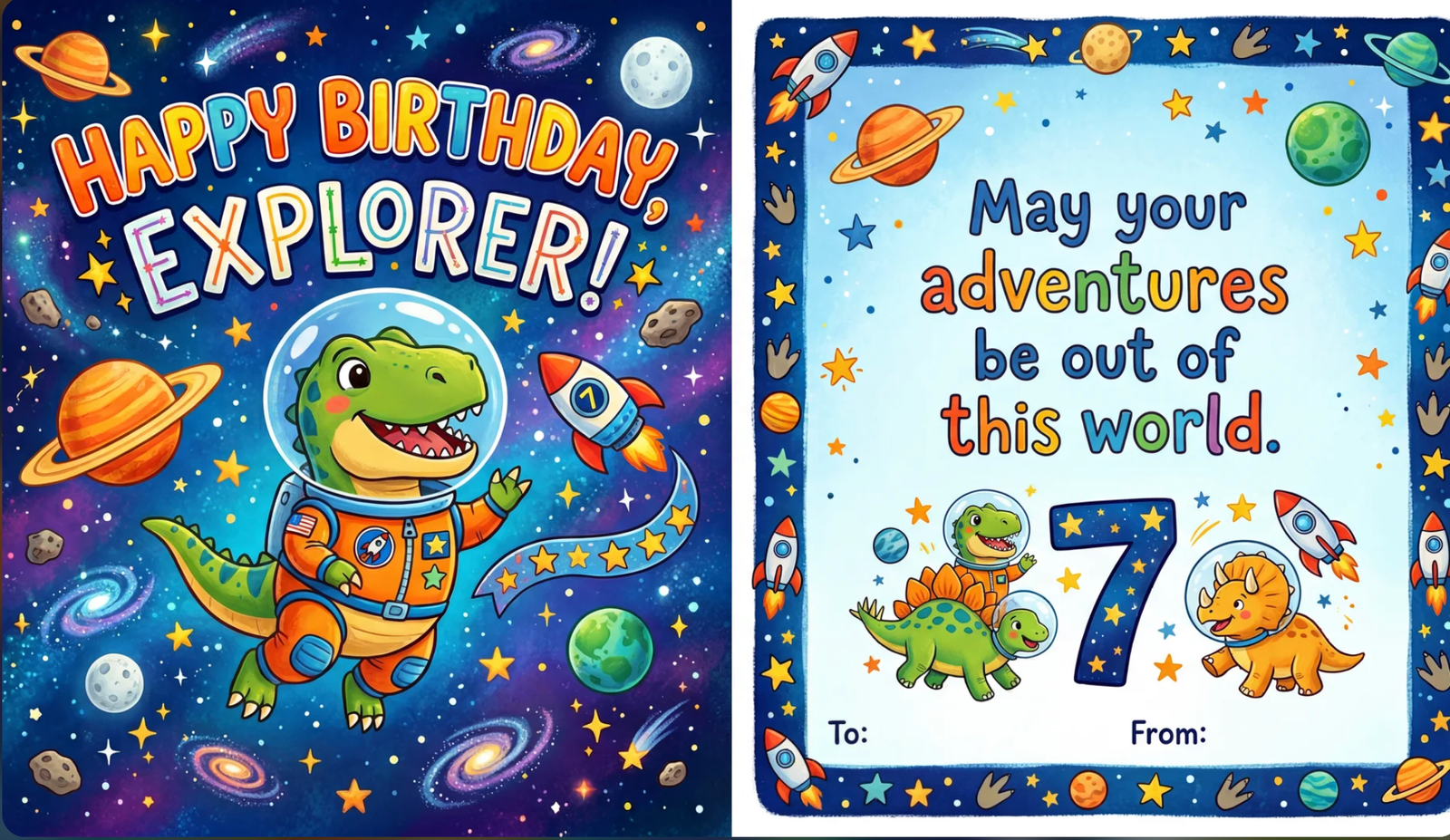
Design a birthday card for a 7-year-old who loves dinosaurs and space. Front of the card shows a cartoon T-Rex wearing an astronaut helmet, floating among stars and planets. Bold, playful text reads “HAPPY BIRTHDAY, EXPLORER!” Inside message: “May your adventures be out of this world.” Bright, fun colors. Children’s illustration style.
28. Recipe Visuals from Descriptions
Nano Banana 2 connects to Google Search to pull real culinary knowledge, so recipe infographics contain accurate ingredients and proportions rather than hallucinated instructions.
Prompt:
Create an infographic that shows how to make elaichi chai, step by step. Include ingredients with quantities, preparation steps illustrated with small icons, and a finished cup photo at the bottom. Warm color palette saffron, cream, cinnamon tones. Clean layout, legible text, cozy aesthetic.
29. Business Card and Brand Identity Design
Prompt:
Design a premium business card front and back for a creative director named “Maya Chen.” Front: clean, minimalist layout with name in elegant sans-serif, title, and a subtle geometric monogram logo (MC). Back: contact details, email, portfolio URL. Color scheme: matte black card with gold foil accents. Photorealistic render showing the cards on a dark marble surface with soft directional lighting.
30. Completing and Replicating Handwriting Styles
Nano Banana 2 can match existing handwriting styles and continue writing in them. The creative applications include personalizing gifts, creating handwritten-style wedding invitations, and producing authentic-looking handwritten notes for branding or social media.
Prompt:
Continue these handwritten notes in the exact same handwriting style same pen thickness, letter spacing, slant, and character shapes. Add the following text: [your text]. Maintain perfect consistency with the original handwriting.
31. Old Photo Restoration as a Gift
One of the most emotionally resonant use cases. People are restoring their grandparents’ wedding photos, colorizing faded childhood snapshots, and printing them as framed gifts. The model handles the entire pipeline damage repair, colorization, sharpening, upscaling to print resolution from a single upload and a simple prompt.
Prompt:
Restore and colorize this photograph of my grandparents from the 1950s. Remove all damage scratches, stains, fading. Colorize with natural, period-appropriate tones. Enhance facial details make their expressions clear and warm. Output at high resolution suitable for printing as a framed 8×10.
The Competitive Picture
Nano Banana 2 sits at a specific strategic point. It delivers roughly 95% of Nano Banana Pro’s visual quality at significantly higher speed and half the API cost. Compared to Flux Kontext, it demonstrates stronger character consistency, better scene preservation, and superior text rendering.
Its unique advantage image search grounding during generation has no equivalent in competing models. No other tool can query the live web for visual references and incorporate them into the generation process.
For enterprise deployment, the built-in provenance tools (SynthID + C2PA) provide compliance readiness that open-weight alternatives can’t match without significant custom engineering.
VentureBeat framed it well: Nano Banana 2 represents “the maturation of AI image generation from a creative novelty into a production-ready infrastructure component.”
What This Means
A year ago, AI image generation was a parlor trick. You could make weird art. You could go viral for a weekend. But you couldn’t build a business workflow around it, because the output was too inconsistent, too slow, too illiterate, too divorced from reality.
Nano Banana 2 fixes most of those problems simultaneously. Fast enough for iteration. Smart enough for accuracy. Consistent enough for brand work. Literate enough for marketing. And free enough that a solo creator with a good prompt is operating with the same visual production capability as a team with a six-figure creative budget.
The prompts above aren’t hypothetical. They’re drawn from workflows that real people are using right now tested, refined, and producing results that are hard to distinguish from human-directed photography and design.
The creative moat is no longer access to tools. It’s knowing what to ask for.
More AI Writing Tools (Editor's Choice)
Featured
Frase.io
With Frase.io, you can produce long-form content within an hour. It comes with all essential tools and features that can help you with researching, briefing/outlining, writing, and optimising. Best for bloggers, Freelancers, editors, and Writers.
Writesonic claims to be the world’s most powerful AI content generator tool which can write 1500 words in 15 seconds. From students to freelancers to bloggers to marketers, anyone can create high quality content with Writesonic.
Rytr is powered by state-of-the-art language AI which is capable of creating high-end unique content in minutes. It collects content from around the web, synthesis it with its own knowledge, and creates unique content for the client.
I'm a Professional blogger, Pinterest Influencer, and Affiliate Marketer. I've been blogging since 2017 and helping over 20,000 Readers with blogging, make money online and other similar kinds of stuff. Find me on Pinterest, LinkedIn and Twitter!
This website uses cookies to improve your experience. We'll assume you're ok with this.AcceptRejectRead More
Privacy & Cookies Policy
Privacy Overview
This website uses cookies to improve your experience while you navigate through the website. Out of these cookies, the cookies that are categorized as necessary are stored on your browser as they are as essential for the working of basic functionalities of the website. We also use third-party cookies that help us analyze and understand how you use this website. These cookies will be stored in your browser only with your consent. You also have the option to opt-out of these cookies. But opting out of some of these cookies may have an effect on your browsing experience.
Necessary cookies are absolutely essential for the website to function properly. This category only includes cookies that ensures basic functionalities and security features of the website. These cookies do not store any personal information.
25+ AI side Hustle Idea, One made me $4821/month. Subscribe to Get Free PDF